Planning interior house painting in Winchester, VA, usually starts with one color that feels right. The second color is where projects stall. Two-tone wall color ideas have taken over the design conversation, and a Sherwin-Williams survey of more than 1,200 homeowners found that 44% believe a single accent wall creates the most visual impact in a room. That is a meaningful shift. Almost half of all repaints now hinge on a decision that used to feel optional. The second color carries weight it never had before.
What follows covers the reason the second color is harder, a tool that narrows the options, and the steps used to get the job right.
What Turns the Second Wall Color Into the Hard Part
The numbers explain the first half of the problem. Benjamin Moore publishes over 3,500 colors. Sherwin-Williams publishes more than 1,700. Between those two catalogs alone, a homeowner sorting through interior house painting in Winchester, VA has more than five thousand options to weigh. Choice is abundant. Landing on the right pair is not.
The second color’s difficulty comes from having nothing to anchor it. The first color usually has a reference point, like a fabric in a living room, a photo saved months ago, or a color remembered from somewhere else. The second wall color has no such starting point. It has to match the first color’s temperature. It has to work in the specific light your windows throw. It has to sit next to your floors and trim without creating tension. And it has to carry its own weight visually.
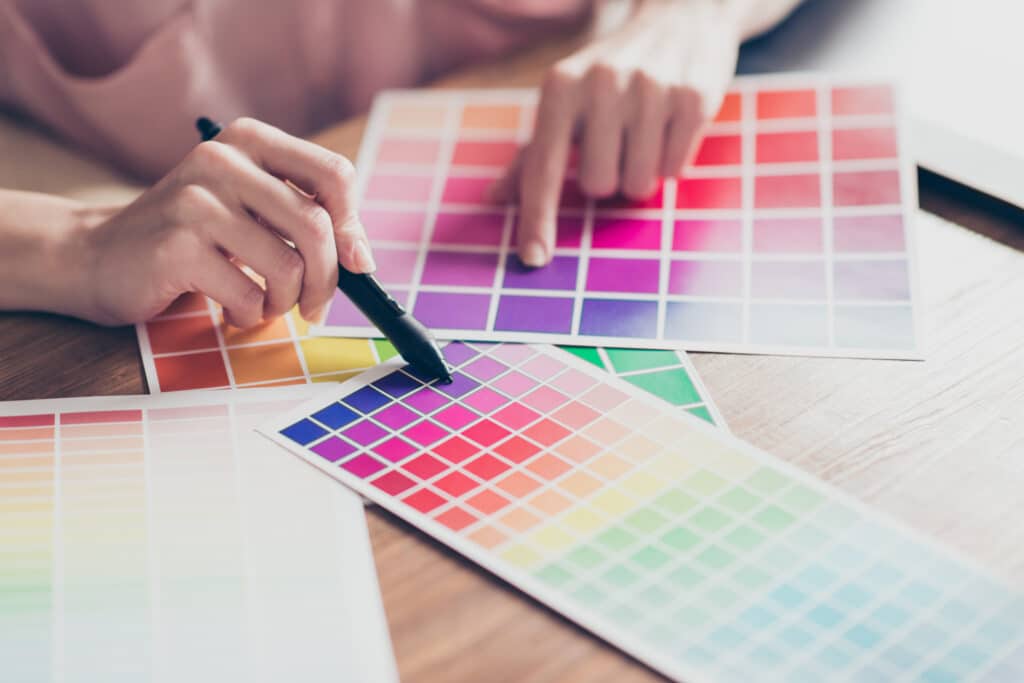
Photos from a design site fall apart at this point. Those images came from rooms with their own light, floors, and finishes. Winchester’s four-season climate changes how paint reads across the year. Lower winter sun hits walls at sharper angles. Summer evenings stretch longer than most homeowners remember when picking a color back in February.
Underneath the logistics, there is a feeling at this stage. It is the sense that the wrong pick costs real money. The Sherwin-Williams data shows that 28% of homeowners never sample colors before painting. Many of those projects get redone. What looks like impatience is usually fatigue. By then, the paint-store trips have added up. Another round feels riskier than picking the wrong one.
Strong paint color pairings start with matching undertones.
Let the Color Pairing Studio Handle the Shortlist
The Color Pairing Studio below works through two-tone wall color ideas using three filters that designers apply to any real pairing. The first checks that both colors share compatible undertones. The second looks at Light Reflectance Value and aims for a 15 to 30 point spread between the two colors, which is the studio’s internal target for keeping the accent wall color visible without chopping the room in half. The third filter pulls saturation back so the paired color reads as actual paint rather than a screen swatch.
Two colors, done right.
Enter the wall color you have already chosen. The studio runs it through the three rules designers apply to two-color pairings — undertone, value spread, saturation — and returns four companion colors that actually work on a real wall.
—
—
The Room, Painted
Main color on the primary wall, selected companion on the feature wallHow Every Pairing Gets Filtered
Undertone Is the Foundation
Every beige hides a pink, yellow, or green pull. Every gray leans warm or cool. When two colors pull in opposite directions, no amount of color-wheel geometry rescues the pairing.
Value Spread Builds Depth
Light Reflectance Value runs from 0 to 100. Companion colors too close in LRV blend into one wall. Too far apart and the room reads chopped. The studio targets a 15 to 30 point spread.
Saturation Needs Restraint
Colors pulled straight from the wheel look great on logos and wrong on drywall. Every suggestion here is toned down so it reads as paint on an actual wall rather than a screen swatch.
Real-Light Sampling
North-facing rooms read cooler. South-facing rooms read warmer. Same paint, different room, different outcome. Peel-and-stick samples cost a few dollars and resolve the entire question.
What Pilot Painting LLC Does That the Studio Cannot
The studio handles the shortlist. A painter standing in your room handles the rest.
Pilot Painting LLC serves interior house painting in Winchester, VA, and the surrounding region. Every estimate visit includes a color consultation, built into the walkthrough rather than billed as a separate appointment. A professional painter reads your specific room by studying the direction your windows face, the hardwood underfoot, the sheen of the trim you already own, and the angle afternoon light takes across one wall. The studio’s shortlist is then stress-tested against that reality, and the accent wall color most likely to hold up is flagged.
Clear communication carries the project from there. You know what the timeline looks like before work begins. You know which rooms are painted in what order. You know when a room is ready to be used normally again. The process removes the guessing that usually surrounds a paint project.
Paint application also needs the right conditions. Sherwin-Williams recommends applying interior paint when the room temperature sits between 50°F and 90°F. High humidity slows drying. A painting crew worth hiring confirms those conditions before a roller hits the wall. The second wall color you commit to should still look right through a Shenandoah Valley winter and a humid August.
Are you mid-decision on a paint color pairing for interior house painting in Winchester, VA? One conversation with Pilot Painting LLC can remove a week of indecision. It can also prevent a redo three months down the line. Planning two-tone wall color ideas without that walkthrough leaves too much to chance.
From Shortlist to Finished Wall
A painter standing in the room sees what a screen cannot. The sheen on your baseboards. The specific undertone of your hardwood. The way your window placement throws afternoon light across one particular wall. Several variables shift how any accent wall color reads once paint goes up. You do not have to sort through any of this alone.
Interior house painting in Winchester, VA, handled by a team that knows the four seasons of the Shenandoah Valley and the homes across the region, means the project finishes without surprises. Call 540-426-3075 today to book a free estimate with us and turn your two-tone wall color ideas into a room that works.