
Most people who delay a repaint are not stuck on the color. They are stuck on everything around it: drop cloths over the sofa for a week, grit on the windowsills, and a question that rarely gets a straight answer, which is how to keep the house clean while painting. That hesitation is reasonable. For a lot of homeowners, the interior painting mess they imagine is the real reason tired walls stay tired another year.
Here is what we have figured out after years of repainting houses around Shepherdstown, WV: a clean job has almost nothing to do with how quickly someone moves a brush. It comes down to setup, order of operations, and a few habits a crew should never skip. At Pilot Painting LLC, we consider protecting your home part of the job, not something tacked on at the end. The walls get a fresh color. Your floors, your belongings, and the air you breathe stay the way you left them.
Key Takeaways

The Real Source of an Interior Painting Mess
Splatter gets blamed for a lot, but it is rarely the villain. Trouble usually shows up earlier, in the choices made before anyone opens a can. Sanding grit floats from one room into the next. A loose cloth slides under a boot. Cans rest on bare wood floors. Tools pile up on a kitchen counter that nobody covers. Each of those is a setup failure, and each of them is preventable.
Which is why, when a homeowner asks how to keep an interior painting mess from getting out of hand, our answer points backward. You win a clean job the afternoon before painting starts, during prep. A crew in a hurry to “get to the fun part” hands you days of wiping and vacuuming afterward. When a crew respects the prep, you get a room back to sit in by dinnertime.
Cover First, Paint Second
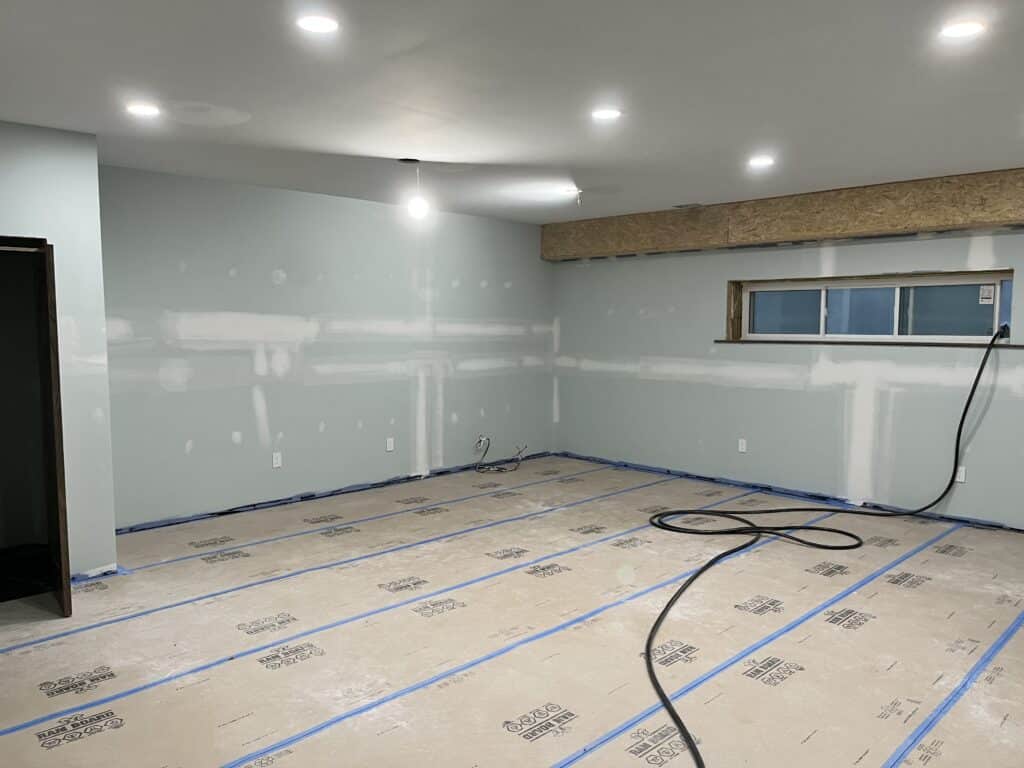
Nothing on the walls gets touched until the room is ready to take a spill. Light furniture is either left in the space or moved to the middle. Heavier pieces get pulled off the walls and wrapped. Floors get full coverage, with edges secured so a sheet cannot creep or bunch when someone steps on it.
Older homes call for an extra layer of caution here. Any work that disturbs paint in a home built before 1978 can release lead dust, the U.S. Environmental Protection Agency warns. For those projects, it recommends hiring contractors trained in lead-safe practices, as outlined in the EPA’s renovation and lead-paint guidance. The core idea behind those rules, sealing a space and capturing dust before it spreads, makes any repaint cleaner. Nobody should be wiping a film of dust off picture frames once the crew drives away.
A quick test settles most decisions. Picture a drop of paint or a cloud of dust landing on a surface. If cleaning that spot would ruin your afternoon, it gets covered before work starts. Counters, built-ins, light fixtures, and anything awkward to move all earn the same protection.
Cutting Down Dust and Paint Odor
Patching and sanding kick up the most debris and punish shortcuts the hardest. Loose dust does not stay put; it drifts, settles two rooms over, and turns up on a shelf days later. So a careful crew tapes off doorways, runs sanding gear with dust collection, vacuums along the way, and wipes surfaces clean before color goes down rather than scrambling afterward.
Aging paint raises the stakes again. Homes built before 1978 may carry lead in their lower layers, and that lead only becomes a problem once a surface gets scraped or sanded. Dry sanding old paint is the wrong call. Lead-safe work means containing the area, avoiding high-dust methods, and cleaning thoroughly each day. That is exactly how a project in an older Shepherdstown house should run.
Smell is the other thing homeowners brace for. The gases that paint releases, known as VOCs, build up fast indoors. The EPA’s research on indoor air quality puts indoor levels two to five times higher than outside. It also advises adding ventilation whenever you use products that give them off. The practical fixes are simple: open the space up while we work, and lean on low-odor paint. We use Benjamin Moore and Sherwin-Williams lines, and their low-VOC and zero-VOC options have improved a great deal. Many clear their smell within an hour of going on the wall, so nobody has to sleep down the hall.
How We Run a Tidy Job, Step by Step
No good repaint takes over your entire house at once. We work in order, one room at a time, and finish each space before opening the next. The kitchen keeps working while the bedrooms get painted. The kids still have a spot to drop their bags after school.
On a typical interior painting project, the rhythm looks like this:
None of that is showy. Even so, it is the gap between a household that stays calm through a repaint and one that feels upended. The same standards show up in the daily updates and final walkthrough built into every job we run.
Small Things You Can Do Before We Arrive
A good crew never hands the prep to the homeowner, so your list stays short. A few moves do speed things along and keep the work tidier. Pull personal items off shelves and counters before the start date. Lift photos and art off the walls. Flag any floor, finish, or heirloom you are protective of, so it gets wrapped in the first hour. Share your daily rhythm, too, and let the schedule bend around your family rather than fight it.
When a homeowner and a crew are reading from the same page, the timeline holds, and the surprises stay tiny.
Talk to Pilot Painting About a Cleaner Project
Fresh paint ranks among the cheapest ways to make a home feel cared for again. The dread of cleanup should not decide the matter, because keeping an interior painting mess contained is part of a disciplined crew that has the most control over. Picking the color is your job, but we will assist you in choosing. Keeping the rooms protected, breathable, and lived-in while the work happens is ours.
Pilot Painting LLC is licensed and insured. Our proposals are written line by line, with no surprise charges. Our painters pass background checks, and a team lead keeps you posted every day. We treat each home the way we would want ours handled, with surfaces covered, dust kept in check, and every room reset before we leave it for the night. If the threat of a mess has been holding you back, we will gladly show you, in plain terms, how we keep a project clean from the first cloth to the last.
Reach Pilot Painting LLC at 540-426-3075 to set up a free estimate, and ask us to map out the protection and cleanup plan, room by room. We will lay out what gets covered, how dust gets contained, and what your home will look like each evening, so there are no question marks before a brush ever moves.