If you’ve been quietly asking yourself when to repaint home exterior Virginia and whether those scuff marks or color changes on your siding are worth a closer look, that instinct is worth following. I’ve seen it happen more times than I can count: a homeowner notices something small, puts it off for a season, and then calls us two years later with a problem that has quietly doubled in cost. This post walks through the specific signs your house needs exterior painting so you can make a confident, informed decision, not one based on guesswork.
Key Takeaways

Why Exterior Paint Is More Than Just a Color Choice
Many homeowners think of exterior paint as an aesthetic decision. It is partly that. But your paint is also your home’s first line of defense against moisture, UV damage, and the kind of slow structural deterioration that doesn’t announce itself until it’s expensive.
Painting the outside of a home isn’t just cosmetic. It seals siding against moisture, slows UV degradation, prevents wood rot, and protects resale value. When that protective coating starts to break down, water finds its way in. And in our climate, water that gets in doesn’t leave on its own.
The good news: the signs your house needs exterior painting are visible if you know what to look for. You don’t need to be a contractor. You just need to know what to look for as you walk around your home.
[IMAGE]
What Virginia’s Climate Does to Exterior Paint
Before getting into the signs, it helps to understand why homes in Winchester, VA, Stephens City, and Berryville tend to show wear faster than homes in drier parts of the country.
If you own a home in Winchester, VA, you already know how our humid summers and quick winter freeze-thaw cycles can punish your siding.
In January, temperatures can jump above and below freezing in a single day. That movement squeezes and stretches siding, trim, and existing paint.
Virginia’s humidity creates repeated expansion and contraction cycles in exterior surfaces. This movement stresses paint films and increases the risk of cracking and peeling.
Add thick spring pollen that settles against siding every April, summer afternoon downpours, and strong south-facing UV exposure, and exterior paint here works harder than the national average. That’s why knowing the signs your house needs exterior painting matters even more in the Shenandoah Valley region.
[IMAGE]
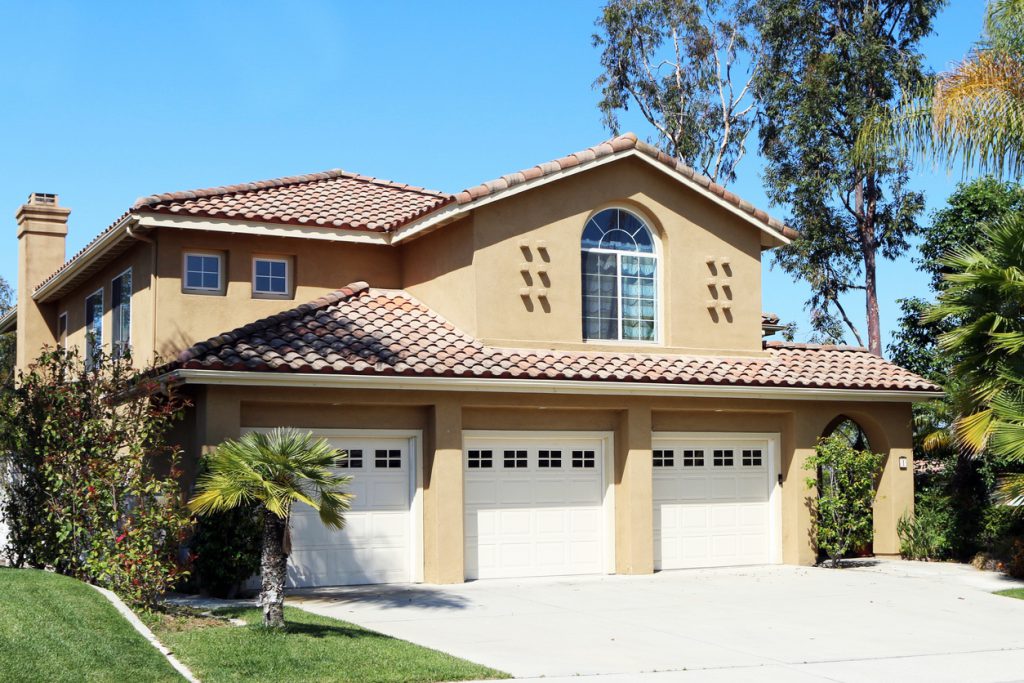
7 Signs Your House Needs Exterior Painting
1. Peeling, Cracking, or Bubbling Paint
This is the one most people recognize, and it’s serious when you see it. One of the most noticeable signs your house needs exterior painting is paint that is no longer adhering properly to the surface underneath. Peeling edges, hairline cracking, bubbling, or sections of paint lifting away from the siding indicate that the protective exterior coating has started breaking down.
Bubbling paint is especially important to watch because it often indicates moisture trapped beneath the surface coating. Once moisture is trapped, it doesn’t stay put. It works its way into the wood beneath.
Where to check: Lower siding sections, window trim, fascia boards, and the shaded sides of your home.
2. Chalking or Powdery Residue
Run your hand along the side of your home. If it comes away with a chalky, dusty residue, that coating is oxidizing. That’s called chalking, or oxidation. It’s basically a sign the paint is breaking down from sun and weather. Not always urgent, but definitely a sign it’s aging.
Chalking on its own doesn’t mean you need to act today, but combined with any other sign on this list, it tells you the surface is ready for a refresh.
3. Fading or Noticeably Uneven Color
One of the most obvious signs you need new paint is fading color. Sun exposure, weather changes, and pollution can gradually dull your home’s vibrant tones. South-facing walls and areas that receive direct sunlight tend to fade the fastest.
When color looks noticeably lighter or uneven, it not only diminishes your home’s appearance but can also signal that the protective paint layer has broken down.
Fading alone isn’t always urgent, but if you notice it on one side while the rest of the house still looks clean, that side has been absorbing more stress. I’d pay close attention to it on subsequent walkarounds.
4. Mold, Mildew, or Dark Staining
Dark stains or greenish patches on your home’s exterior often signal mold, mildew, or algae growth. These organisms thrive in damp, shaded areas, especially on wood, stucco, or other porous materials. Beyond being unsightly, they can weaken your paint and even pose health risks if left unchecked.
In the Shenandoah Valley specifically, north-facing walls and areas under trees or near gutters are the most common spots. If staining comes back quickly after rain, the surface likely needs more than a wash. It needs a proper coating system.
5. Failing or Cracked Caulking
This one gets missed because it’s subtle. Walk around your windows, doors, and any trim joints. If you see cracks, gaps, or areas where caulk is pulling away, pay attention. Caulking helps seal out water, and once it fails, moisture can find its way in.
Water will find every gap and work its way into wood rot or freeze-thaw damage. Failing caulk is one of the quieter signs your house needs exterior painting, and it’s one of the first things a professional crew will flag during an estimate.
6. Soft, Swollen, or Discolored Wood
Press gently on the wood trim around your windows or doors. If any wood trim feels soft, looks swollen, or shows signs of rot, that’s beyond a paint issue. You’re looking at moisture damage that has already moved past the paint film and into the substrate.
Left unaddressed, that moisture promotes fungal growth and wood rot. Soft, spongy boards that give under gentle pressure result from a process that began with peeling paint and could have been stopped at any point along the way for a fraction of the eventual cost.
This is the sign that most urgently needs a professional eye. Soft wood requires repair before painting, not painting over.
7. It’s Been Seven or More Years
Sometimes there aren’t dramatic visible signs. The paint just looks a little tired. If it’s been seven or more years since the last exterior project, it’s worth having someone take a look, even if everything seems fine from the street.
In northern Virginia and the Washington, D.C. area, snow and ice, heat and humidity, strong winds, heavy rains, occasional hail storms, and ultraviolet light from the sun all take their toll.
Painted wood siding and trim can generally last about 7 years on average.
The Shenandoah Valley region sits in the same climate zone. Seven years is a reasonable outer limit for wood siding in our area before it starts to need attention.
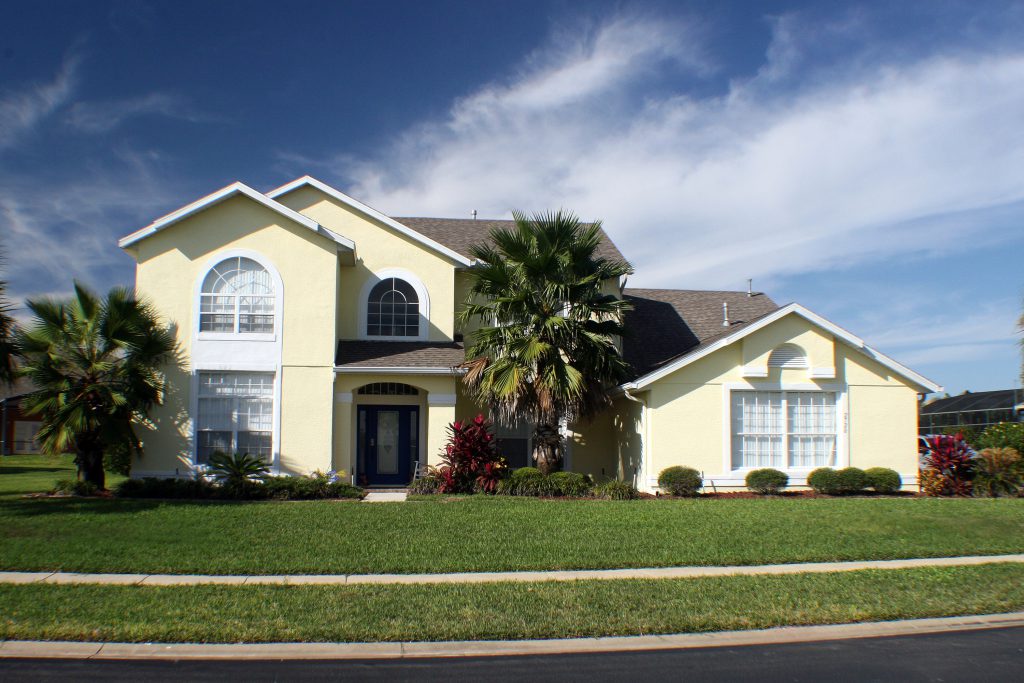
Paint Lifespan by Siding Material (Virginia Climate)
Different materials hold up differently. Here’s a general guide based on what professionals see in Virginia and the surrounding Mid-Atlantic region:
| Siding Material | Typical Repaint Timeline |
|---|---|
| Wood siding | 5 to 7 years |
| Fiber cement (HardiePlank) | 7 to 10 years |
| Aluminum siding | 5 to 7 years |
| Stucco | 8 to 10 years |
| Painted brick | 10 to 15 years |
Timelines are estimates and vary based on paint quality, prep work, sun exposure, and local conditions.
If your home has wood or aluminum siding and it’s approaching or past that range, the signs your house needs exterior painting may already be present; you may just not be looking in the right places yet.
For a deeper look at what affects these timelines, our post on how long exterior paint lasts breaks it down in detail for homeowners in this area.
What Happens If You Wait
I want to be direct, because it matters.
A $4,000 painting project can quietly become a $15,000 structural repair.
Replacing rotten wood siding on a full home can run between $10,000 and $20,000, depending on the extent of damage and material choice. The repainting that could have prevented it costs $3,000 to $7,000 for most single-family homes.
That’s not meant to create panic. Most signs your house needs exterior painting are caught early enough that a paint project is all that’s needed. But the gap between “paint project” and “structural repair” closes faster than most people expect, especially in a climate like ours.
Homeowners often miss the early warning signs because deterioration begins in places that require close inspection: the bottoms of trim boards, window sill edges, the area around gutters, and any surface that holds moisture after rain.
A walkthrough once or twice a year, paying attention to those specific spots, is genuinely one of the most valuable things you can do for your home. If you want a full reference, the Angi guide to exterior painting costs walks through what different repair and painting scenarios typically cost across the country.
How to Do a Simple Exterior Inspection Yourself
You don’t need special equipment. Set aside 20 minutes, walk slowly around the full perimeter of your home, and check the following:
Do this in spring after the frost season ends, and again in early fall. Two inspections a year is all it takes to catch most problems before they compound.
For timing advice on when to schedule the actual work, our post on the best time to paint a house exterior in Winchester covers Virginia weather patterns in detail.
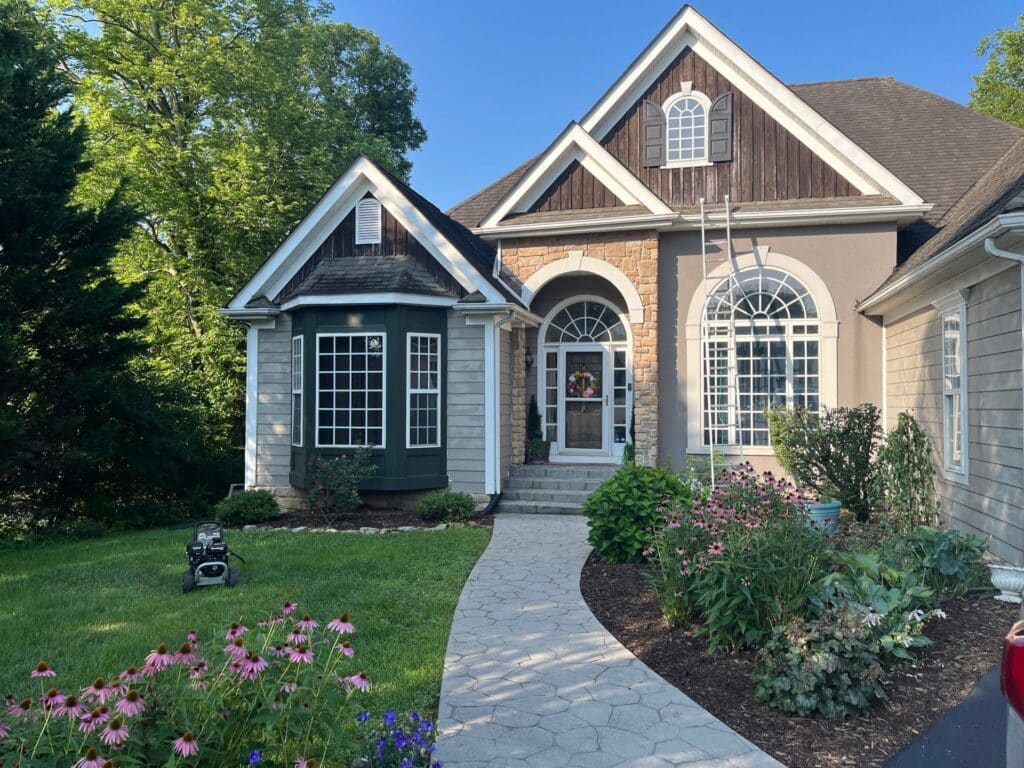
What the Process Looks Like with Pilot Painting
When you reach out to Pilot Painting, we start with a free on-site estimate. Our estimator comes to your home, walks the exterior with you, and gives you a clear and transparent picture of what’s there, including any wood rot or caulk failure that needs to be addressed before painting begins.
Before leaving, we provide a detailed contract reviewed line by line, along with our leave-behind folder that includes our license, insurance, warranty documentation, and our free paint satisfaction guarantee. If you’re not completely satisfied with the quality and cleanliness of the work after our best efforts, we’ll cover the cost of the paint.
Our crew communicates with you daily throughout the project. You’ll know what was completed each day, what’s coming next, and what the schedule looks like. No surprises, no guesswork.
We serve homeowners in Winchester, VA, Stephens City, Berryville, Front Royal, Shepherdstown, and surrounding communities across the Shenandoah Valley. If your home shows any signs it needs exterior painting, or if you’re not sure and want a professional opinion, we’d be glad to take a look.
You can also get a head start by reading what a detailed painting estimate should include so you know exactly what to expect before we arrive.
When you’re ready to find out if your home is showing signs that it needs exterior painting, contact Pilot Painting LLC for a free on-site estimate. We’ll walk your property, give you an honest assessment, and answer every question before you commit to anything. Schedule your free consultation today.