If your siding has started to peel, fade, or chalk, you have probably wondered about the best time of year to paint house exterior surfaces here in the Shenandoah Valley. Ask five painters and you may hear five different answers. Here is the straight version: the best time to paint house exterior walls has very little to do with the month on the calendar. It has everything to do with what the weather is doing the week a crew is actually on your ladder. Temperature and humidity decide whether fresh paint grips the surface or lets go a season later. Pick the wrong window and you can pay for a full repaint that begins to fail before the next summer arrives.
For most homeowners, the worry is not the color. The real concern is spending thousands of dollars and watching the work go bad. Nobody wants to see new paint bubble after one cold snap. The good news is that timing an exterior paint job is not a guessing game once you know the two readings that matter and the season that fits Virginia weather.
Key Takeaways

Why Timing Decides Whether Your Paint Lasts
Exterior paint is not only color. It is the layer that keeps water out of your siding, trim, and wood. When that layer cracks or peels, moisture slips in behind it, and small problems can grow into rot and repair bills. Paint forms that tight seal only when it dries and cures under the right conditions. Push it in weather that is too cold, too hot, or too damp, and the film never sets the way it should. That is why the same gallon of quality paint can last a decade on one home and fail within a year on another. The difference is often timing, not the paint in the can.
The Two Readings That Matter More Than the Month
Set the calendar aside for a moment. Two numbers tell you whether today is a good day to paint: air temperature and humidity. Get both in range and paint cures the way the maker intended.
The Best Time to Paint House Exterior Walls in Winchester
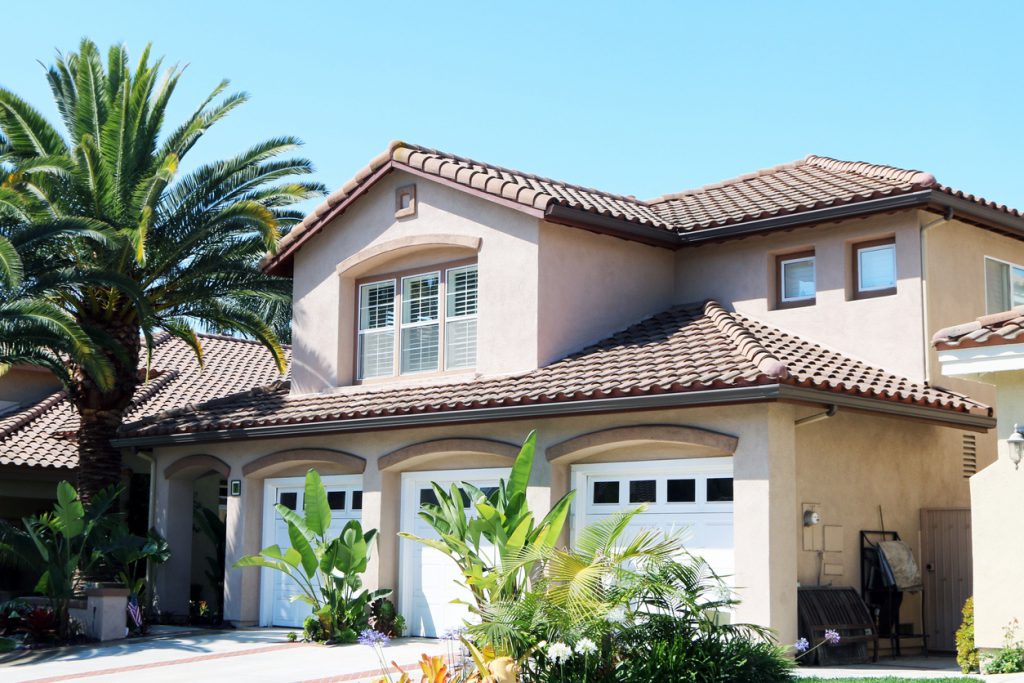
Now lay Winchester weather on top of those numbers. Our corner of Virginia runs through four real seasons, and each one treats paint differently. Winter highs sit near 41 degrees in January, and nights fall into the low 20s, which lands well under the range most paint needs to bond and cure. Midsummer swings the other way. July highs climb into the mid 80s with sticky, humid air, and sun-heated siding can push surface temperatures even higher.
That leaves a clear pattern. The best time to paint house exterior walls in the Shenandoah Valley tends to land in spring and early fall, when the days are dry, mild, and steady. Late April into June, and the stretch from late August through October, usually hand a crew the conditions paint wants. Those shoulder seasons give you mild daytime highs, lower humidity, and enough overnight warmth for each coat to cure before the next morning.
What Bad Timing Actually Costs You
Here is where the money part comes in. When paint goes on in the wrong conditions, it can peel, crack, blister, or leave a chalky haze within months. A finish that should protect your home for seven to ten years can start breaking down in one. Sherwin-Williams pegs the normal repaint cycle at roughly seven to ten years for a well-prepped exterior, and home-services marketplace Angi points out that harsh weather is a leading reason paint fails earlier than expected.
At that point you are not saving money by squeezing the work into a free winter week. You are paying twice, once for the rushed job and again for the redo. Wood siding is even less forgiving, since it tends to need fresh paint every three to seven years and shows timing mistakes fast. Bad timing quietly erases years off the life of an otherwise solid paint job.
How Pilot Painting LLC Plans Around Virginia Weather
This is where working with a painter who knows the area pays off. A crew that paints in Winchester season after season already knows how local weather behaves and builds the schedule around it. Pilot Painting LLC runs its exterior house painting season from March through mid October for exactly this reason, and the team turns down winter exterior work because the conditions cannot deliver a finish that holds up. A painter willing to pass on off-season work is protecting the result you pay for, not chasing easy money.
That mix of clear pricing, screened painters, and a firm seasonal window is what a careful, low-risk process looks like. You get the right work at the right time of year, without the guesswork.
Your Simple Plan for Getting the Timing Right
You do not need a weather degree to get this right. A short plan keeps the timing simple.
Homeowners who plan ahead tend to get the calm, on-schedule project, while the ones who wait until paint is already falling off usually end up scrambling. A little forethought is the cheapest part of the whole job.
Time Your Exterior Paint Job for Results That Last
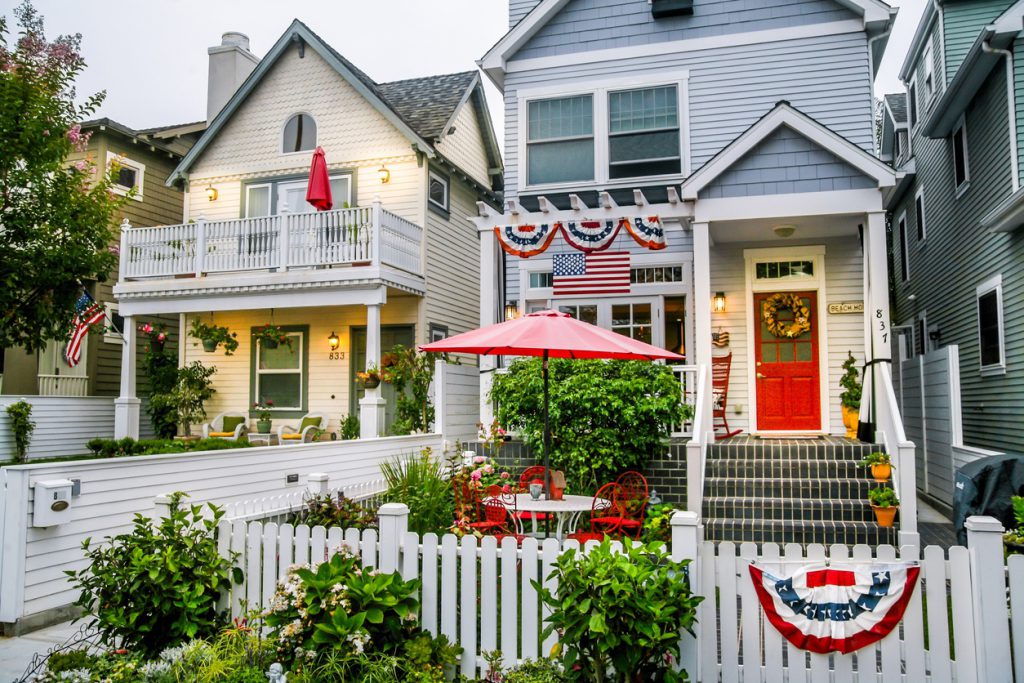
Your home takes the full force of Virginia weather every single day. Sun, rain, humidity, and freezing nights all pull at the paint that keeps moisture out of your walls. The right timing, paired with solid prep and quality products, separates a finish that holds for years from one that quits early.
Pilot Painting LLC books the spring and fall exterior schedule quickly, so the earlier you reach out, the more say you have in your start date. Call Pilot Painting LLC to walk your home, hear what truly needs attention, and get a clear, written plan timed for Virginia weather. Get your project on the calendar while the right season is still open.
Call 540-426-3075 to get started.